
MRI Scan Referral

What is an MRI scan?
An MRI scan (Magnetic Resonance Imaging) is a type of scan that uses strong magnetic fields and radio waves to produce detailed images of organs and structures inside the body. It is often used to investigate the source of pain in spines, joints, muscles, ligaments, and tendons.
Should I have an MRI scan?
There is no simple answer to this question, but the short answer is, probably not. The large majority of musculoskeletal pain cases (eg. low back pain, shoulder pain, knee pain) do not require an MRI. Normally a clinical diagnosis will be made by your physiotherapist (or other appropriate specialist) after comprehensively examining you, and a subsequent treatment plan is all that’s required to get you back to where you want to be.
Surely the MRI scan will help to guide treatment?
An MRI scan rarely changes the course of treatment for most back pains or joint pains. The first line of treatment is usually conservative and this will successfully treat the vast majority of the problems – through exercise, activity management and non-invasive treatments.
When would an MRI scan normally be considered?
MRI scans are usually only necessary to rule out sinister pathology or to help plan for surgery. They are also used to investigate when problems fail to resolve after a program of treatment. However, it is important to give your pain and any other symptoms a sufficient time to settle back to normal in combination with the right help and advice before considering any more invasive treatment, such as injections or surgery (treatments that sometimes are recommended too early because of wear and tear findings seen on MRI).
Is MRI always the best form of scan?
No, MRI may not be the right or the best imaging modality for your condition. Some conditions are better investigated by ultrasound (e.g. certain tendon problems) or x-rays (osteoarthritis of hips or knees).
How would I know if I need an MRI or other form of scan?
Your physiotherapist will take a thorough history and perform a detailed examination. On the basis of this, if your physiotherapist feels a scan or further investigations are necessary they will discuss with you the most appropriate plan of action.
Equally, if you are not making the expected improvement over the anticipated time-frame your therapist may recommend a scan. This would be useful to help plan further treatment of your problem. Ensuring you are following the correct course of treatment.
Fortunately, you don’t have to make this decision on your own. It is generally the case that you need a referral for an MRI scan. So, the physiotherapist, doctor or other qualified healthcare practitioner will discuss all the issues around whether you should or shouldn’t have an MRI before a decision is made.
What if I want a MRI scan for re-assurance?
Occasionally patients feel that they would like confirmation of their condition prior to embarking on a program of physiotherapy as they may have anxieties about the source of their pain. The psychology of pain and injury plays a significant role. Sometimes it can be helpful for a patient to have an MRI or other form of scan in order for them to feel reassured. Allowing them to engage in physiotherapy and rehabilitation.
Are there any reasons to avoid MRI scans?
There may also be times when you may be advised against having an MRI scan. The strong magnets used in an MRI scan can affect metal implants or fragments in your body. So it’s important to tell your clinician if you have implants such as a pacemaker, metal from surgery, cochlear implants, shrapnel, or body piercings. MRI scans are also not usually recommended during pregnancy.
So they are useful sometimes, but not normally necessary?
Exactly. Most people will suffer from pain at some point in their lives – back, shoulders and knees being the most common sources. Especially after a traumatic injury or even an overuse injury. However, certain symptoms such as severe swelling and joint restriction or instability, or persistent pain without improvement after treatment may warrant further investigations. The advice is to seek help as soon as possible if your pain, or other abnormal symptoms, aren’t settling. In most cases your therapist will be able to guide you back to full pain-free function. But there may be times where an MRI is part of that process or guide you to more appropriate treatments.
……and what if I do need one?
If the decision is made to proceed to MRI, Complete Physio have an agreed discounted rate with Vista Diagnostics. Please speak to your physiotherapist for more information.
Meet our Clinicians

Chris Myers
Chris is one of the few physiotherapists in the country to also be a fully trained as a musculoskeletal sonographer and uses diagnostic ultrasound to diagnose muscle, ligament, tendon, joint and nerve problems. He has been using diagnostic ultrasound to carry...

Alastair Nowell
Alastair graduated in 2003 from the University of East London, and completed many years working in the NHS as a highly specialised musculoskeletal physiotherapist. Additionally, he developed his Physiotherapy knowledge by completing an MSc in Sports...

Luke Millward
Luke Millward is an experienced senior Physiotherapist, with a First Class Degree in Physiotherapy, post-graduate training in Pilates, Acupuncture and muscle control and is a member of the Chartered Society of Physiotherapy....

Emerson Fernandez
Emerson has been working as a musculoskeletal sports physiotherapist since completing his BSc (Hons) in 2005, specialising in sports and fitness injuries.Emerson has worked in GP practices, gyms, and accidents...
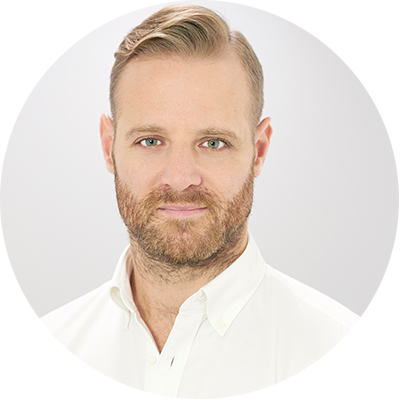
Alexei Roszkowiak
Alexei graduated with a BSc Hons degree in Physiotherapy from the University of East London in 2003. His particular interest in physiotherapy began primarily in Orthopaedics where he initially developed his career working..

Michael Tegerdine
Michael has gained a vast about of experience in assessing and managing a wide variety of musculo-skeletal conditions whilst working at large teaching hospitals in Essex and London.
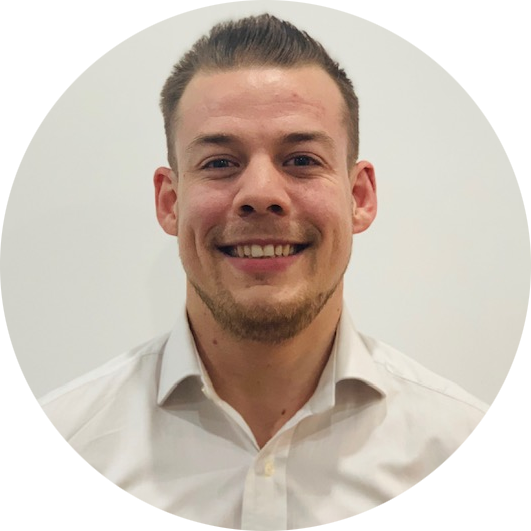
Mike Brent
Mike graduated from the University of Nottingham. After specialising within the NHS he worked for a Professional Rugby club honing his hands on skills and analytical ability....

Leo Chiu
Leo qualified with a BSc (Hons) degree from Brunel University in 2003. He worked 10 years in the NHS (the Royal Free and Chelsea and Westminster Hospitals) alongside Orthopaedic Consultants.
Book your appointment
Book online in a couple of minutes, or call the team and we will find the right clinician and clinic for you.