
Why does my shoulder hurt at night?
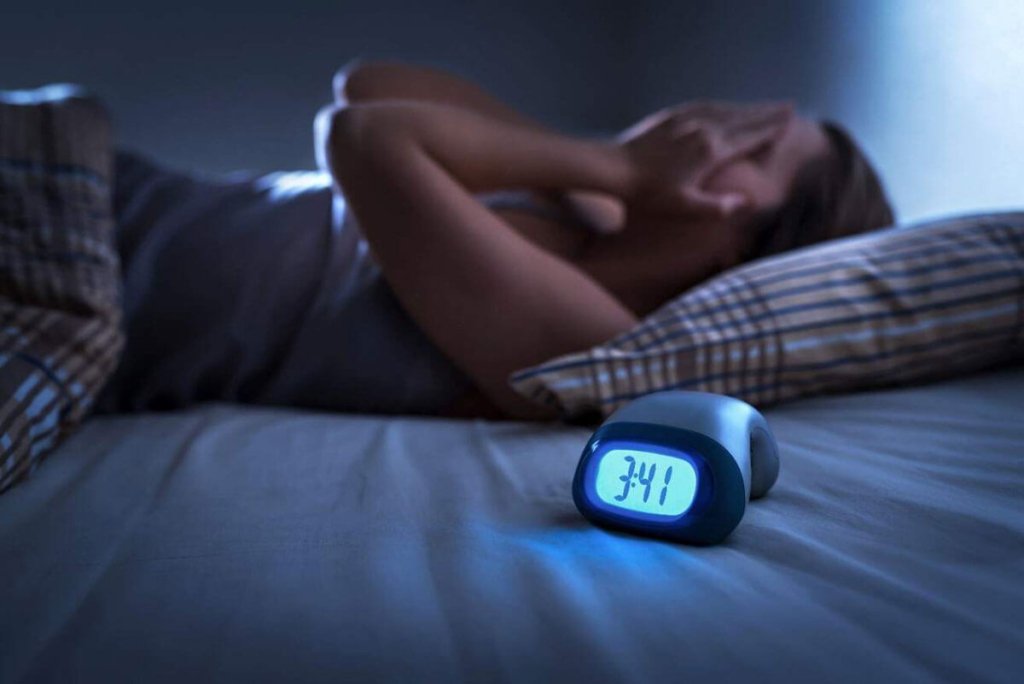
Night pain is a common symptom for many people suffering from shoulder pain. It causes sleepless nights and can be very distressing.
A recent audit at Complete revealed night pain to be the most significant symptom for patients suffering with shoulder pain. It is particularly common in the following shoulder injuries;
- Glenohumeral joint osteoarthritis
- Acromioclavicular joint osteoarthritis
- Frozen shoulder
- Rotator cuff pain
- Bursitis
- Calcific tendinopathy
- Shoulder impingement
- Long head of bicep tendinopathy
Tips and tricks to help reduce night pain
- Avoid activities which provoke your pain in the daytime. This will help your body to recover during the night.
- Try completing a series of gentle stretches before going to bed. This may help disperse inflammation from the local area.
- Consider regular icing of the affected area. Frozen peas in a tea towel placed over the shoulder for 10 minutes can help reduce pain and local inflammation.
- How old is your mattress? If your mattress is old it may have lost its support. Maybe it is time for a new mattress?
- Try to strengthen your shoulder with some simple exercises using a resistance band.

- Try not to sleep on the affected side. For instance, if your shoulder is painful, sleep on your back or on the opposite side. You may need to support your sleeping position using pillows to stop you rolling on to your painful side.
- Try to maintain a neutral body position, both at night and during the day. This will keep you aligned and limit the build-up of inflammation at night.
- Try a short course of over the counter pain medication. However, please consult your pharmacist or GP prior to starting any medication.
What causes shoulder related night pain?
Inflammation
Shoulder related night pain is often caused by inflammation (Omoigui, S., 2007).
During the day our bodies are constantly moving. This constant movement stops inflammation from accumulating in the shoulder; however, at night we find ourselves staying in one position for many hours with only the occasional movement or adjustment.
This causes inflammation to “pool” around the shoulder. We may also sleep directly on the painful shoulder which compresses the shoulder and can also cause pain in already inflamed structures.
When inflammation is present, nearby nerve fibres are stimulated and transmit signals to the brain causing us to feel pain.
Inflammation is present in irritated or injured tissue and is often a sign of the following underlying problems:
- Osteoarthritis
- Shoulder Impingement
- Tendinitis
- Tendon tears
- Frozen Shoulder
- Ligament strains and tears
- Muscle injury
- Broken bones (fractures) will also cause night pain. If your pain started because of a traumatic incident then attend your local A&E department at the first possible opportunity for an X-ray.
Direct compression of the shoulder
The shoulder is an extremely mobile joint, designed to produce a wide range of precise movements. Because of this mobility, it’s also more vulnerable to pressure. When you lie directly on the shoulder, the joint and surrounding soft tissues, especially the rotator cuff tendons, can become compressed, which may aggravate any underlying irritation.
Poor sleeping positions are a common cause of this type of compressive pain. If you sleep on your painful side, your torso places additional weight through the joint for long periods, which can lead to discomfort.
It’s usually better to sleep on your back or the opposite side, and you may need to use pillows to keep yourself from rolling onto the painful shoulder during the night.
Shoulder related night pain is often experienced as:
- Sharp
- Dull
- Burning
- Achey
- Stabbing
- Shooting
What can I do to help reduce my night pain?

Getting an accurate and timely diagnosis is important, in order to access the most appropriate treatment options.
Accurately diagnosing the cause of your night pain is a complex procedure which should be done by a physiotherapist, orthopaedic consultant or specialist MSK GP.
Assessment starts with a clinical interview, used to understand your symptoms. Your clinician will also complete a series of clinical tests designed to pinpoint your pain causing structures.
This may provoke your symptoms for a short period. However, it helps the clinician understand your situation better.
Imaging
Diagnostic ultrasound has been proven to be as effective as MRI for assessing shoulder injuries, including tendons, muscles and bursae (small friction reducing structures located at high pressure points throughout the body).
At Complete our highly experienced team of clinicians will complete a full clinical assessment and, if there are any doubts about your diagnosis, we also have dual trained physiotherapists and musculoskeletal sonographers who will be able to perform a musculoskeletal diagnostic ultrasound scan in clinic.
If you know you are likely to need a scan, please mention this at the time of booking.
Once a formal diagnosis has been made your clinician will be able to advise you on the most effective, evidence-based treatment options available for your condition.
What if conservative management doesn’t work?
The majority of patients suffering from night pain respond positively to a combination of analgesic medication (please consult your GP or pharmacist before starting any medication) and a course of physiotherapy.
Physiotherapy uses a combination of manual therapy techniques and individualised rehabilitation exercises to help reduce your symptoms, manage pain flares, and allow you to return to the activities that you love.
If these conservative measures are unsuccessful then a steroid injection may be appropriate.
Injection therapy
Corticosteroid injections, a potent anti-inflammatory medication, is a highly effective technique used to reduce pain associated with inflammation.
Research states that steroid injections are highly accurate and effective when administered under ultrasound guidance.
To ensure you get the best outcomes possible all our injection procedures are ultrasound guided.
All our injection therapists are fully qualified to advise you on the most effective medication and prescribe it for you, all in the same appointment. This unique service means you do not need to consult your GP to gain a referral. You can self-refer directly into our service, and may often be seen within 24 hours.
For further information or to book an appointment please contact Complete on 020 4600 3987 or email info@complete-physio.co.uk.
References
- Haack, M., Sanchez, E. and Mullington, J.M., 2007. Elevated inflammatory markers in response to prolonged sleep restriction are associated with increased pain experience in healthy volunteers. Sleep, 30(9), pp.1145-1152.
- Omoigui, S., 2007. The biochemical origin of pain: the origin of all pain is inflammation and the inflammatory response. Part 2 of 3–inflammatory profile of pain syndromes. Medical hypotheses, 69(6), pp.1169-1178.